Timing · Scottsdale, AZ
Best time to resurface a pool in Scottsdale
Fall and winter are often an easier window for resurfacing a Scottsdale pool, mainly because they sit outside both the summer swim season and Arizona's monsoon season, which runs officially June 15 through September 30, according to the National Weather Service (opens in a new tab) and Arizona State Parks.
Timing
Why monsoon season complicates the job
A resurface involves draining the pool, prepping the shell and applying a new finish, and the pool is refilled soon after the finish goes on. Rain, humidity and storm activity during the June 15 to September 30 monsoon window can slow that process down, and national 2026 cost data notes that a job in an area prone to bad weather can take longer. That is one reason the window is worth working around rather than through when scheduling a project.
Timing
Why summer is not the easiest time either
Summer is peak swim season in Scottsdale, so taking a pool out of use for a resurface during the months most used for swimming is the least convenient timing from a use standpoint, separate from the monsoon weather factor. A pool that is already scheduled for work makes more sense finished before the heat and swim season both ramp up.
Timing
Why fall and winter work better for most homeowners
Outside the monsoon window and outside peak swim season, fall and winter can give a resurface project more predictable weather and less competition with pool use. Getting the work done in that window also leaves time for the start-up period after the refill to wrap up well ahead of the next swim season.
Good to know
Planning around your own swim schedule
The right timing still depends on how your household actually uses the pool. A pool used year round for exercise needs a different plan than one that mainly sees use from late spring through early fall. Either way, building in time before the weather warms back up leaves room for the start-up period after the refill without rushing the schedule. The how often to resurface a pool in Arizona page covers how to tell when that timing is approaching. Once you have a window in mind, tell us about your pool and someone from our team will call you back to plan it.
Costs
Does the season change the price?
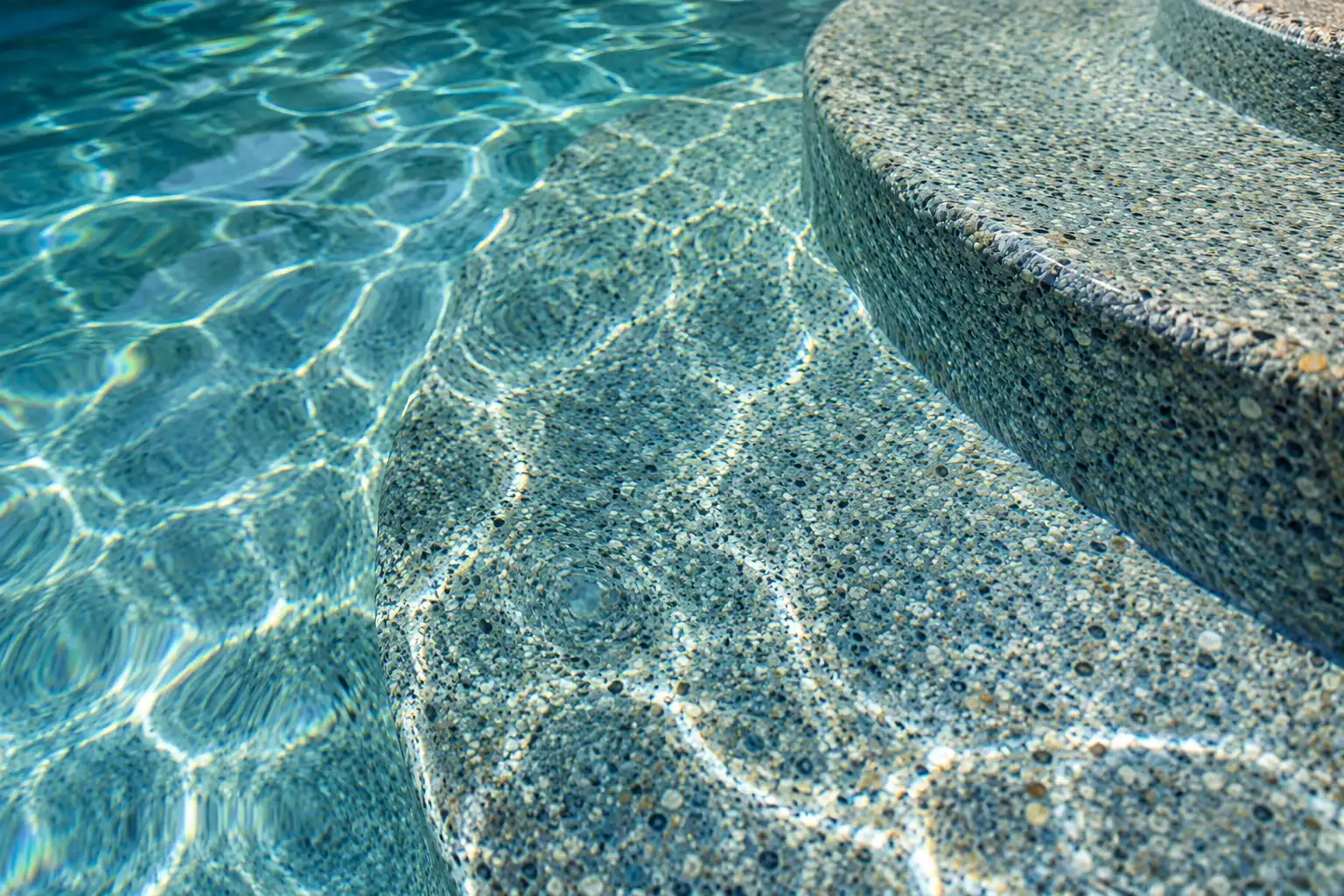
Project cost mainly reflects the size of the job and the finish chosen, and national 2026 cost data does not list the time of year as a cost factor. Most resurfacing jobs nationally run $6,000 to $15,000, averaging near $11,000, according to that same data. The pool resurfacing cost page has the full breakdown by size and finish, and the pebble style pool finish page covers the longest lasting option.
Good to know
A note on booking ahead
Reaching out as soon as a finish starts showing wear, rather than waiting until it is an obvious problem, leaves more room to land the part of the year you prefer.
5 questions
Questions people ask
Still have a question? Call (747) 243-2089 and say what your pool is doing.
What is the best month to resurface a pool in Scottsdale?
Fall and winter months are often an easier fit, since they fall outside both peak swim season and Arizona's monsoon season, which runs June 15 through September 30 according to the National Weather Service.
Does monsoon season affect pool resurfacing?
Yes, the monsoon window from June 15 through September 30, per the National Weather Service and Arizona State Parks, can bring rain and humidity that slow the job, which is a reason to plan around it.
Can a pool be resurfaced in summer?
It can, but summer overlaps both monsoon season and peak swim season, making it a less convenient window than fall or winter for many households.
Does resurfacing cost more in certain seasons?
Cost is driven mainly by pool size and finish choice, and national 2026 cost data does not list season as a cost factor. Most resurfacing jobs nationally run $6,000 to $15,000 in that data.
How far ahead should a resurface be planned before swim season?
Planning well ahead of the warmer months leaves time for the refill and the start-up period before the pool sees regular use again, which is one reason fall and winter scheduling can work out more smoothly.